

The rapid evolution of technology in the automotive industry presents a series of challenges that demand innovative solutions. This sector faces a pressing problem: balancing the relentless push towards more sophisticated, connected vehicles with the need for enhanced safety, environmental sustainability, and consumer affordability.
Key challenges faced by automotive companies include:
- Fluctuating material costs
- Stringent regulatory requirements
- Growing consumer expectations for cutting-edge features
Additionally, the rise of electric vehicles and autonomous driving technologies adds another layer of complexity, requiring:
- Significant investment in research
- Development of supporting infrastructure
These hurdles are further compounded by:
- Global supply chain disruptions
- Intense competition in the market
To navigate these complexities, automotive manufacturers and suppliers need:
- Strategic agility
- Foresight to anticipate future demands
Addressing these multifaceted issues is crucial for the industry’s continued growth and ability to meet future demands.
This article explores the current challenges, innovative solutions, and emerging trends shaping the trajectory of today’s automotive industry.
For a deeper dive into the strategies and technologies driving this transformation, this link will take you further into the future of automotive innovation.
Industry Challenges
The automotive industry faces numerous challenges, including rapid technological advancements, stringent environmental regulations, and evolving consumer preferences. These challenges necessitate a dynamic approach to innovation and adaptation.
Integration of Electric Vehicles
- Represents a significant technological shift.
- Requires substantial investment in infrastructure and research.
- Complicated by the need to comply with environmental standards aimed at reducing emissions.
Autonomous Technology
- Offers both opportunities and hurdles.
- Manufacturers must address safety concerns and regulatory requirements.
- Requires navigation of an evolving legal landscape.
Moreover, the industry’s supply chain faces increased complexity, influenced by:
- Global economic fluctuations.
- Geopolitical tensions.
Ensuring the resilience and efficiency of supply chains is critical to:
- Meeting production demands.
- Maintaining competitiveness.
Collaborative Efforts Among Stakeholders
- Essential for managing challenges effectively.
- Foster a sense of belonging among industry participants.
- Drive sustainable growth and innovation.
- Ultimately benefit society as a whole.
Electric Vehicle Revolution
The automotive industry is witnessing a transformative shift as electric vehicles rapidly become a cornerstone of modern transportation. This revolution is reshaping the landscape, fostering a more sustainable and efficient future.
As electric vehicles gain popularity, the integration of autonomous technology presents new opportunities and challenges. These advancements promise:
- Enhanced safety
- Increased convenience
These align with society’s growing demand for innovative and eco-friendly travel solutions.
The electric vehicle revolution necessitates a comprehensive overhaul of the supply chain. This shift involves:
- Sourcing of raw materials
- Production processes
- Distribution networks
All these aspects are tailored to accommodate the unique requirements of electric vehicles.
Manufacturers are investing in the development of battery technologies and charging infrastructure to support widespread adoption. Such efforts aim to:
- Create a sense of community among consumers and industry stakeholders
- Engage policymakers in a collective effort towards a shared vision of a sustainable future
As the industry continues to evolve, collaboration and innovation will be essential. These elements are crucial to maintaining momentum in this transformative journey.

Autonomous Driving Technologies
Autonomous driving technologies are rapidly advancing, promising to reshape the future of transportation with enhanced efficiency and safety. These innovations are particularly significant within the context of electric vehicles, as the integration of autonomous technology aligns with the industry’s move towards sustainability.
Benefits of Autonomous Vehicles:
-
The development of fully autonomous vehicles aims to reduce human error, potentially decreasing accidents and improving road safety.
-
Implementation could lead to optimized traffic flow and reduced congestion, contributing to more efficient urban environments.
Impact on the Logistics Sector:
Autonomous driving technologies hold the potential to revolutionize the logistics sector. By integrating with the existing supply chain, they could:
-
Enhance the efficiency of goods transportation.
-
Lead to cost reductions.
-
Increase reliability.
Industry Convergence:
The automotive industry is witnessing a convergence of electric vehicles and autonomous technology, which necessitates:
-
Adaptation of infrastructure.
-
Development of regulatory frameworks.
Collaboration and Implementation:
As these technologies evolve, collaboration among stakeholders is crucial to ensure their successful implementation and widespread acceptance.
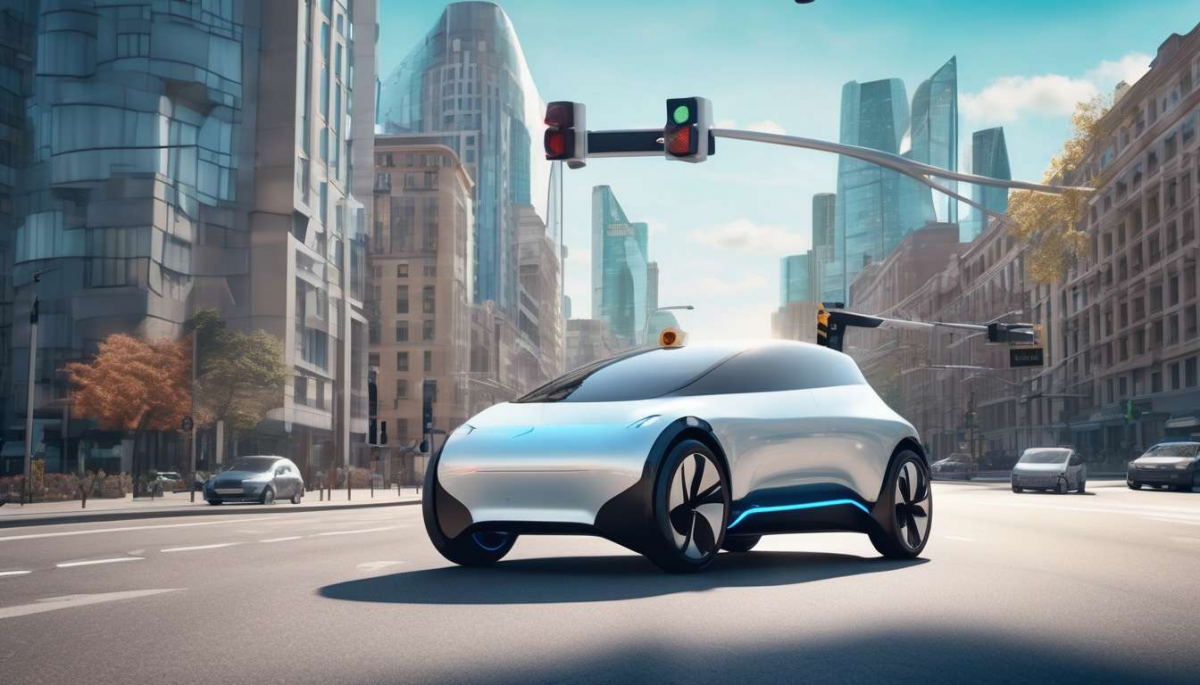
Supply Chain Disruptions
Recent disruptions in global logistics networks have significantly impacted the automotive industry, highlighting vulnerabilities in supply chains that require immediate attention and strategic solutions.
The increasing demand for electric vehicles and advancements in autonomous technology have intensified the need for a resilient supply chain. Component shortages, such as semiconductors, have delayed production and delivery, affecting manufacturers and consumers alike.
The automotive sector’s transition toward electric vehicles necessitates a reliable supply of batteries and electronic components. Interruptions in these supply chains can:
- Slow the adoption of innovative technologies
- Undermine industry goals
Autonomous technology’s reliance on complex systems further underscores the importance of supply chain stability.
Industry stakeholders must collaborate to enhance supply chain efficiency and resilience. Key strategies include:
- Investment in diversified sourcing
- Improved logistics infrastructure
- Strategic partnerships
By addressing these challenges, the automotive industry can ensure continued progress and innovation. This fosters a sense of community and shared purpose among manufacturers, suppliers, and consumers dedicated to advancing transportation technologies.
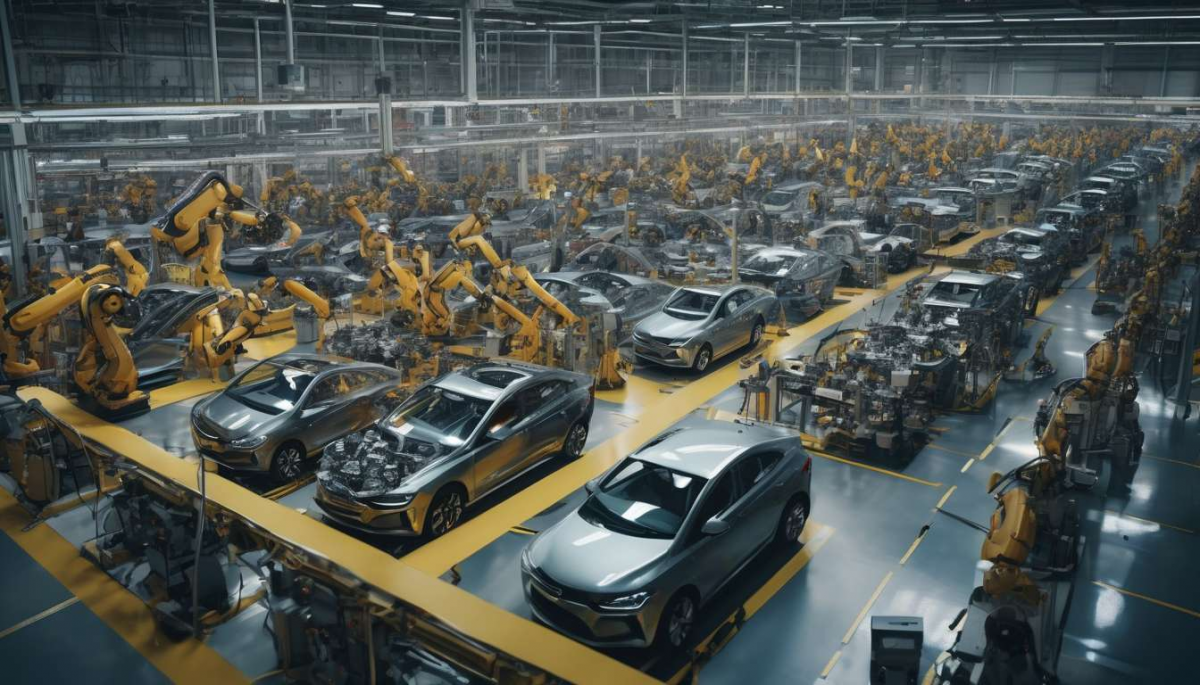
Market Competition
The automotive industry is witnessing fierce market competition as traditional manufacturers and new entrants vie for dominance in the rapidly evolving landscape. This dynamic is largely driven by the increasing consumer demand for electric vehicles, which has prompted both established companies and innovative startups to invest heavily in research and development.
The pursuit of advanced autonomous technology further intensifies this competitive scenario, with players striving to integrate cutting-edge features that enhance safety and convenience.
Additionally, the industry faces challenges related to the supply chain, which impacts production capabilities and market positioning. Companies must navigate these complexities to maintain a competitive edge and ensure timely delivery of new vehicle models.
The global push towards sustainability and technological innovation underscores the urgency for industry participants to adapt swiftly.
In this environment, the ability to innovate and respond to consumer preferences proves crucial. The automotive sector stands at a crossroads, where strategic decisions will shape the future of mobility and define market leaders.

Strategic Solutions
To thrive in the highly competitive automotive industry, companies must implement strategic solutions that prioritize innovation, sustainability, and responsiveness to consumer demands.
Electric Vehicles
A pivotal area of focus is the development and integration of electric vehicles. As environmental regulations tighten and consumer preferences shift toward sustainable options, the transition to electric vehicles becomes imperative. This shift requires a robust supply chain capable of supporting the production and distribution of electric components, such as:
- Batteries
- Charging infrastructure
Autonomous Technology
Moreover, the integration of autonomous technology presents another strategic avenue. By investing in the research and development of self-driving capabilities, automotive companies can:
- Enhance safety
- Increase efficiency
- Improve convenience for consumers
These advancements meet the growing demand for intelligent vehicles and necessitate collaboration with:
- Tech firms
- Regulatory bodies
This collaboration ensures the seamless implementation of autonomous technologies.
Supply Chain Management
Efficient supply chain management is critical in achieving these goals. By optimizing logistics and fostering partnerships with key suppliers, companies can:
- Mitigate risks
- Ensure the timely delivery of essential components
This strategic supply chain management secures their place in a rapidly evolving market.